The Fastest Fix for Callbacks Eating Your Install Profit
A callback on an install doesn't cost what it looks like it costs. The obvious cost is the return trip, a tech, a truck, and a few hours. The real cost is the full crew day that trip replaces, a day that could have been producing new revenue instead of fixing work that was already sold once.
Most callbacks and warranty rework trace back to the same root: an install that wasn't commissioned right the first time. Refrigerant charge off spec, static pressure never checked, a thermostat wired but not configured to the equipment it's running. None of these show up on the invoice. All of them show up three weeks later as a callback.
Why commissioning gets skipped
It's rarely laziness. It's usually schedule pressure. A crew finishes the mechanical work, the system runs, the customer is happy to have cool air again, and the truck needs to be at the next job. Commissioning, the actual verification that the system is operating at spec, takes time that the schedule doesn't always account for.
The problem is that skipping it doesn't save the time. It just moves the time to later, attaches a callback to it, and adds the cost of a second dispatch and an unhappy customer who now has doubts about the company that just took their money.
The fastest fix
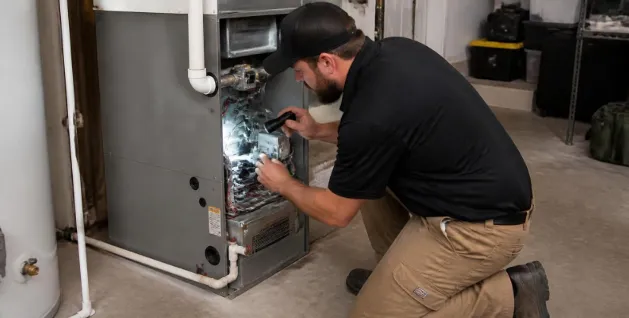
A standardized commissioning checklist, filled out and signed off before the crew leaves the property, closes most of this gap. It takes a few extra minutes on the job and avoids the return visit entirely. Static pressure, refrigerant charge, airflow, thermostat configuration, each gets checked and recorded while the crew is still there with their gauges out, instead of being assumed because the system is blowing cold air.
The checklist also does something a verbal "looks good" doesn't: it creates a record. If a callback does happen, you know immediately whether it's a commissioning miss or a genuine equipment failure, instead of guessing.
Rolling it out without slowing crews down
The resistance to a commissioning checklist is almost always the same: crews worry it adds time they don't have. The fix is to build the checklist around what a properly equipped crew is already doing, gauges on, readings taken, and just make writing those readings down part of the job instead of an extra step. A checklist that asks for information the crew already has in hand takes only a few extra minutes.
Track callback rate before and after rollout. A drop in callbacks on new installs is the clearest signal the checklist is working, and it's the number worth reporting back to the crew so they can see the fix is paying off in fewer return trips on their own schedule.
FAQs
What's a reasonable callback rate to target on HVAC installs? There's no single number every shop should hit, since equipment mix and climate both affect it. What matters more is tracking your own rate consistently and watching whether it moves down after a commissioning process goes in. A rate that's trending down is the real signal, regardless of where it starts.
Should commissioning be the installer's job or a separate quality check? Either can work, but the installer doing it in the moment, with the system already open and gauges connected, is usually faster than scheduling a separate visit. A separate spot-check on a sample of jobs is a reasonable addition once the base process is in place, to catch drift before it becomes a pattern.
The Profit Simulator scores callback and rework exposure alongside 12 other areas of your HVAC business, in a free 5-minute diagnostic. See how it applies to HVAC specifically: the HVAC Profit Simulator.
Find My Profit Leaks Free. Free 5-minute diagnostic. Every report ends with an optional free 30-minute profit clarity call. No commitment required.